Cockeyed Rooster Sketch Embroidery Review for Business
As an embroidery designer who has spent years digitizing and stitching logos for boutique brands, I approach every new machine embroidery design with a critical eye. It is not just about whether the image looks cute on a screen; it is about how that digital embroidery file translates into a tangible asset for a small business. Recently, I evaluated the Cockeyed Rooster Sketch Embroidery for potential use in branded merchandise, and my findings offer valuable insights for shop owners, apparel decorators, and Etsy sellers looking to add character to their product lines.
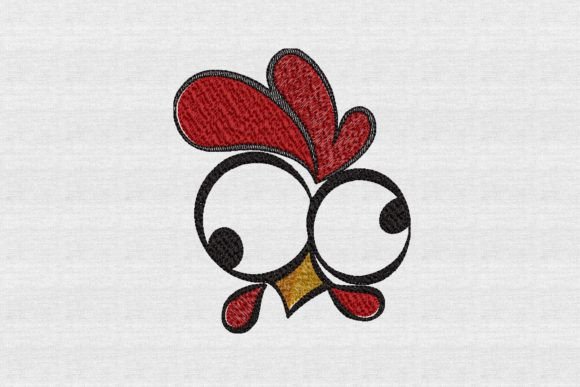
Upon first glance, this design from the Farm Animals category exudes a specific personality. The term "sketch" in the title suggests a hand-drawn aesthetic, which is currently trending heavily in the handmade market. Unlike rigid, vector-style logos, a sketch style implies creativity, approachability, and a touch of rustic charm. The description promises a "vibrant rooster" ready to "ruffle some feathers," indicating a bold use of thread colors. For a brand identity, this is excellent. It signals that the business is friendly, perhaps a bit quirky, and definitely not corporate or sterile. Whether you are running a local bakery, a florist, or a pet supply brand, this visual language builds immediate trust and recognition.
Real-World Applications for Small Business Merch
The true test of any embroidery file is its versatility across different substrates. I envision the Cockeyed Rooster Sketch Embroidery working exceptionally well as an embroided patch. Patches are a low-risk, high-reward addition to small business merch. A café could sew these onto canvas tote bags sold at the counter, turning a simple grocery bag into a walking advertisement. The vibrant colors mentioned in the product description would pop beautifully against natural cotton or denim.
For staff uniforms, this design offers a unique opportunity for apron embroidery. In a farm-to-table restaurant or a artisanal coffee shop, a rooster motif on the chest pocket or the bib of an apron reinforces the fresh, organic nature of the food served. It acts as a subtle uniform identifier without feeling like a strict corporate mandate. Similarly, for cap embroidery, this design could serve as a striking front-center logo or a detailed side accent. However, caps require careful consideration of the curve; the "cockeyed" nature of the rooster might actually work in your favor here, as a slightly tilted perspective can look dynamic on a curved surface.
Boutique owners and crafters can also utilize this as a value-add for custom apparel. Imagine a line of children's clothing or garden-themed gear where this rooster is the centerpiece. It transforms a basic garment into a handmade product with perceived higher value. Furthermore, for event merch, such as a local farmers market or a county fair, this design serves as a perfect commemorative item that attendees will actually want to wear.
Technical Considerations and Production Challenges
While the artistic merit is high, we must discuss the technical execution. The description highlights "vibrant" colors, which often implies a higher number of thread changes and potentially complex color blending. When reviewing this for commercial embroidery, one must be wary of stitch density. Sketch-style designs sometimes rely on running stitches to mimic pencil lines. If the density is too low, the design may look sparse on heavy fabrics; if too high, it can cause puckering, especially on lightweight materials like polo shirts.
There are specific scenarios where you should proceed with caution. If you intend to use this as a tiny label on product packaging or a small chest logo on a fitted shirt, you must verify the minimum viable size. Detailed outlines and small text (if included in the sketch) can become a muddy mess if scaled down too far. Additionally, consider the fabric texture. On textured towels or rough canvas, fine sketch lines might get lost. For dark uniforms, ensure the digitizer has included a proper underlay or satin border to prevent the background fabric from showing through the vibrant thread colors.
Another critical factor is durability. Items like aprons and tote bags undergo frequent washing and abrasion. A design with many isolated color blocks or long jumps might snag or fray over time. Before committing to a large production run, it is essential to test the finished product through multiple wash cycles to ensure the "pop of color" remains vibrant and the structural integrity of the stitches holds up.
Impact on Brand Identity and Customer Engagement
In the crowded marketplace of online selling and local retail, visual consistency is key. The Cockeyed Rooster Sketch Embroidery can be a cornerstone of your brand identity. It tells a story before the customer even reads your tagline. It suggests a business that values tradition but isn't afraid of color and fun. This emotional connection drives buyer engagement. Customers are more likely to purchase a tote bag or hat that features a characterful design than one with a generic text logo.
Moreover, using high-quality embroidery elevates the perceived professionalism of your brand. It shows attention to detail. When a customer receives a package with a beautifully stitched patch or a uniformly branded apron, it reinforces the idea that the business cares about quality. This trust translates directly into customer loyalty and word-of-mouth referrals.
Essential Designer Notes for Implementation
Before you load this file into your machine, follow these practical steps to ensure success:
- Test in Black and White First: Convert your preview to grayscale to check the contrast. If the design relies solely on color to define shapes, it may fail when stitched on certain fabrics or viewed from a distance.
- Verify Hoop Size: The product description does not specify exact dimensions. Confirm the required hoop size matches your machine's capabilities, especially if you plan to stitch on caps which often require a specialized cap frame.
- Check Stabilizer Requirements: Sketch designs often need specific stabilizers to prevent shifting. Test on scrap fabric identical to your final product to determine if a cut-away or tear-away is best.
- Create a Printable Mockup: Before stitching, create a printable mockup to show clients or visualize the placement on your design assets. This helps in approving the scale and position.
- Review Commercial Licensing: Since this is for business use, strictly confirm the license terms. Ensure the digital embroidery file allows for unlimited production runs for resale.
- Inspect Thread Contrast: With a "ColorfulCock" theme, ensure your thread library matches the intended vibrancy. Cheap threads can dull the effect of a sketch design.
In conclusion, the Cockeyed Rooster Sketch Embroidery holds significant potential for small businesses looking to inject personality into their merchandise. It bridges the gap between rustic charm and modern branding. However, like any tool, its effectiveness depends on how well it is implemented. By paying attention to fabric choice, stitch density, and placement, you can turn this vibrant fowl into a powerful symbol of your brand's identity. Always remember to request the specific file formats and stitch counts from the vendor if they are not listed, as these details are crucial for a smooth production workflow.