Fishing Reel Embroidery Design: A Pro Review
As an embroidery designer who spends more time staring at stitch maps than actual scenery, I am always on the hunt for designs that balance whimsical charm with technical reliability. When I stumbled upon the Fishing Reel Embroidery Design on Creative Fabrica, my immediate thought was not just about how cute it looked, but whether it could hold up under the pressure of a real customer order. In the world of commercial embroidery, aesthetics are only half the battle; the other half is execution. This review breaks down my experience evaluating this machine embroidery design for potential use in my shop, specifically looking at its viability for custom apparel, home decor, and handmade gifts.
First Impressions and Visual Mood
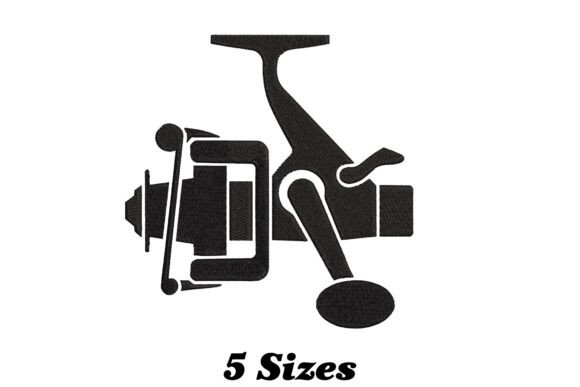
The moment you load the preview of the Fishing Reel Embroidery Design, the playful nature of the artwork jumps out. It captures a specific mood that fits perfectly within the Camping and outdoor lifestyle niche without feeling overly rugged or masculine. The lines are clean, and the composition suggests a fun, whimsical touch that appeals to a broad demographic, from avid anglers to those who just enjoy the cottage-core aesthetic of lakeside living.
What stands out immediately is the potential for versatility. While many fishing-themed designs lean heavily into realistic detail which can be tricky to stitch on textured fabrics, this design appears to strike a balance between detail and simplicity. The visual personality of the reel suggests it would work beautifully as a focal point on a tote bag design or as a charming pocket accent on a flannel shirt. For designers looking to expand their portfolio beyond floral motifs, this offers a fresh narrative element that tells a story of adventure and relaxation.
Evaluating Performance on Real Projects
Before committing to a full production run, I mentally simulated stitching this embroidery file onto various substrates. The description notes it is perfect for t-shirts, towels, and home decor, but let's dig deeper into the practicalities.
- Custom Apparel: For a sweatshirt embroidery project, the design's scale seems appropriate for a left-chest placement or a larger back graphic. The key here will be managing the fabric stretch. A heavy fleece requires a robust cut-away stabilizer to prevent the stitches from sinking or distorting over time.
- Tote Bags and Aprons: Canvas and cotton twill are ideal candidates. The weave of these fabrics provides a stable foundation for the fill stitch areas likely present in the body of the reel. This is where the design can truly shine as a handmade product sold at craft fairs.
- Kitchen Towels and Home Decor: Stitching on waffle weave or linen introduces complexity. If the design relies heavily on fine running stitch details, they might get lost in the texture of a towel. However, for a smooth pillow cover, the crisp lines should translate well.
- Caps and Patches: This is the trickiest application. Curved cap surfaces demand careful hooping. If the Fishing Reel Embroidery Design has a large horizontal span, it might exceed the limits of a standard cap frame. Similarly, for an embroidered patch, you would need to verify if the density is high enough to stand up to the cutting and merrow edging process.
Technical Considerations for the Professional
Every experienced digitizer knows that a pretty picture on a screen does not guarantee a perfect stitch-out. When reviewing this Creative Fabrica embroidery asset, several technical factors must be assessed before hitting "start" on the machine.
Stitch Density and Underlay: Playful designs sometimes skimp on underlay to save time, which can be disastrous on dark or pile fabrics. Before stitching on a final garment, it is crucial to test on scrap fabric of the same weight. Check if the stitch density causes puckering, especially if you are using a satin stitch for the outlines. High-density areas can make the fabric stiff, which might be undesirable for a baby blanket or a soft t-shirt.
Thread Color Contrast: The visual appeal of this design relies heavily on how the thread colors interact. On dark navy or black fabrics, you may need to adjust the pull compensation or add a lighter underlay to ensure the metallic or bright accents of the reel pop effectively. Always compare light and dark fabric mockups digitally before committing thread.
Hoop Size Constraints: One of the most common pitfalls in small business embroidery is misjudging the hoop size. While the design looks compact, verify the dimensions in your embroidery software. If you plan to use this on a structured cap or a small pocket, ensure the design fits within the usable area of your smallest hoop without encroaching on the seam allowances.
Impact on Product Value and Brand Perception
In the competitive marketplace of Etsy and boutique merchandise, the quality of your design assets directly influences buyer trust. Using a well-executed Fishing Reel Embroidery Design can elevate a simple personalized gift into a premium item. Customers engage more deeply with products that feel thoughtful and professionally finished.
When photographed correctly, the texture of the stitches adds depth to your printable mockup images and real-life product photography. A clean, distortion-free stitch-out signals to the customer that attention was paid to detail, reinforcing brand consistency. Whether you are selling a finished product or offering customization services, the reliability of the source file determines your reputation. A design that pulls or gaps after one wash can damage customer relationships, whereas a durable, vibrant design encourages repeat business and positive reviews.
Final Verdict and Best Practices
The Fishing Reel Embroidery Design holds significant promise for designers looking to tap into the outdoor and leisure market. Its whimsical nature makes it an excellent choice for seasonal handmade gifts, nursery decor for fishing-loving families, or branded merchandise for bait shops and guide services.
However, success lies in the preparation. Do not assume the file is ready for every fabric type straight out of the download folder. My professional advice is to always:
- Review the specific file details and licensing terms on the Creative Fabrica product page to ensure commercial use is permitted for your intended sales channel.
- Conduct a thorough stitch-out test on the exact fabric you intend to sell.
- Inspect small details after stitching, looking for any missed connections or loose trims.
- Confirm that the digital embroidery file format matches your machine's requirements.
By approaching this embroidery project with a critical eye and a focus on quality control, you can transform a simple download into a best-selling item in your shop. The charm is there; it is up to the maker to ensure the execution matches the vision.