Western Blue Embroidery Aztec Knitted Review
As an embroidery designer who has spent years digitizing logos and selecting assets for small business merchandise, I approach every new design file with a critical eye. It is not just about whether a pattern looks pretty on a screen; it is about how that machine embroidery design translates to fabric, withstands washing, and elevates a brand's identity. Today, I am reviewing the Western Blue Embroidery Aztec Knitted asset to determine its viability for branded patches, uniforms, and custom apparel.
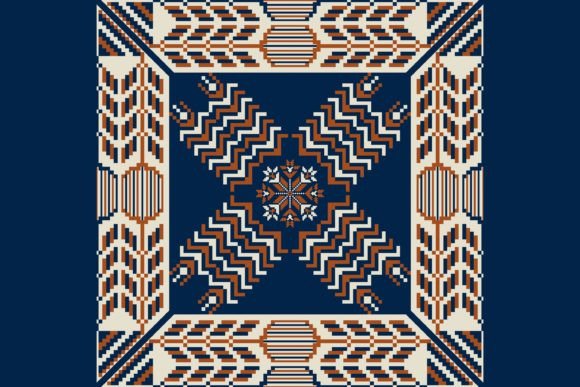
My first impression of the Western Blue Embroidery Aztec Knitted collection is one of rustic elegance mixed with modern geometric precision. The title itself suggests a fusion of styles: the rugged, timeless feel of "Western" combined with the intricate, rhythmic nature of "Aztec" patterns, all rendered in a "Knitted" texture that implies warmth and tactile quality. For a boutique owner or a creative studio looking to establish a brand identity that feels both handmade and premium, this aesthetic hits the mark. The deep blue tones typically associated with western wear offer a sense of trust and professionalism, while the knitted texture adds a layer of approachability that plain vector graphics often lack.
Real-World Application for Small Business Merch
In the context of small business merch, versatility is king. I evaluated how this design would perform across various commercial embroidery projects. For a local café or bakery, the Western Blue Embroidery Aztec Knitted pattern serves as an excellent candidate for staff aprons. Unlike a standard chest logo, using this as an all-over background accent on the lower half of an apron or as a pocket detail can create a unique uniform that customers remember. The "knitted" visual effect works particularly well here, mimicking the cozy atmosphere these businesses strive to create.
For retail boutiques and Etsy sellers, this asset shines as an embroidered patch. Imagine a leather goods shop selling tote bags or wallets; applying this design as a woven or embroidered patch adds immediate perceived value to the finished product. The seamless nature of the pattern means it can be cropped to fit various hoop sizes without losing its visual integrity. Whether used as a sleeve detail on a denim jacket or a cap embroidery element for a outdoor gear brand, the geometric lines provide a bold statement that reads well from a distance.
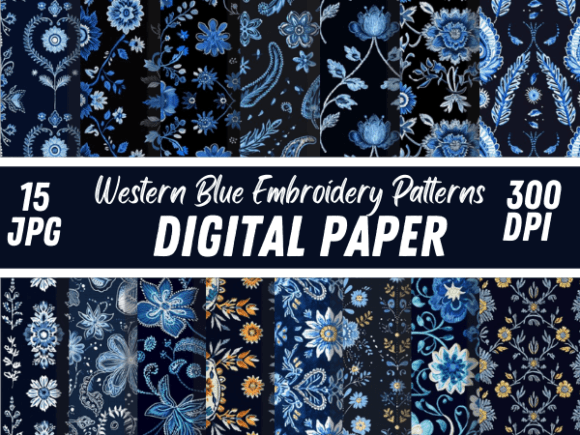
Furthermore, because this product is listed under Patterns and Graphics with high-resolution specifications (4096 x 4096 pixels at 300 DPI), it is not limited to stitching alone. It acts as a powerful tool for creating printable mockups. Before committing to thread and fabric, you can use these digital papers to visualize how the design will look on packaging, hang tags, or social media promotions. This dual utility makes it a cost-effective addition to your design assets.
Critical Considerations for Production
However, a professional review must address the technical challenges. While the visual appeal is high, the "knitted" texture description raises flags regarding stitch density. If you are converting this graphic into a digital embroidery file for production, you must be cautious. High-density textures can lead to stiff fabrics, especially on lightweight materials like poly-cotton blends used for t-shirts. When planning a tote bag design or heavy canvas item, this density is less of an issue, but for a delicate blouse or a fitted cap front, it could cause puckering.
There are specific scenarios where the Western Blue Embroidery Aztec Knitted design should be used carefully. On curved surfaces, such as the front of a structured baseball cap, complex geometric patterns can distort if the hoop size and stabilizer selection are not perfect. The interplay of the Aztec lines requires precise registration; if the fabric shifts even slightly during stitching, the clean lines of the pattern will blur. Additionally, if your client's uniform is a very dark navy or black, ensure the blue tones in the design have enough contrast. You may need to adjust the thread colors to lighter shades of blue or incorporate white accents to maintain visibility.
Another factor is the scale. If you intend to use this as a tiny label or a small chest logo, the intricate "knitted" details might merge into a solid blob of color. It is essential to test the design at the intended physical size. A pattern that looks stunning at 4096 pixels on a monitor might lose its definition when stitched at two inches wide. Always request a stitch-out sample before approving a large run of custom apparel.
Impact on Brand Identity and Customer Trust
Why does this level of scrutiny matter? Because your merchandise is a direct reflection of your business quality. Using a generic, low-quality graphic can make a brand feel cheap, whereas a well-executed, textured design like Western Blue Embroidery Aztec Knitted signals attention to detail. When a customer receives a product with a thoughtful, tactile patch or a beautifully embroidered apron, it builds trust. It tells them that the business values craftsmanship. This is crucial for handmade brands and local shops competing against mass-produced goods. The "Western" and "Aztec" motifs also tap into current trends favoring artisanal and heritage aesthetics, potentially increasing buyer engagement.
Practical Designer Notes and Next Steps
Before integrating the Western Blue Embroidery Aztec Knitted into your workflow, I recommend following these practical steps:
- Test in Monochrome: Print the design in black and white first to ensure the contrast and line work hold up without relying on color differentiation.
- Check Scalability: Verify if the pattern remains clear when scaled down to a small patch size (e.g., 2x2 inches).
- Review Thread Contrast: Select thread colors that pop against your specific fabric choice, keeping in mind that blue-on-blue can sometimes vanish under certain lighting.
- Inspect Spacing: Ensure there is adequate spacing between the geometric elements to prevent thread bunching, especially if using a satin stitch technique.
- Confirm Hoop Size: Match the design dimensions to your machine's maximum hoop capacity to avoid unnecessary seams or re-hooping.
- Test on Real Fabric: Never skip the trial run on the actual material you plan to use, as fabric texture significantly impacts the final look.
- Use Proper Stabilizer: Given the potential density of a "knitted" look, choose a cut-away stabilizer for stretchy fabrics to maintain shape over time.
- Create a Mockup: Use the high-res JPG files to create a realistic mockup for client approval before any stitching begins.
- Compare Assets: Place this design beside your existing logo and branding elements to ensure visual consistency.
- Verify Licensing: Although this bundle includes 15 digital papers, always confirm the commercial licensing terms specifically for commercial embroidery and resale of physical goods.
It is important to note that the product description specifies "15 Digital Papers within 1 zip file" in JPG format. It does not explicitly state that these are pre-digitized embroidery files (.pes, .dst, etc.). If you are an embroidery shop, you may need to use digitizing software to convert these high-resolution graphics into stitch files, or verify if the seller provides separate embroidery formats. Do not assume the JPGs are ready-to-stitch without checking the file details.
In conclusion, the Western Blue Embroidery Aztec Knitted collection offers a robust foundation for businesses looking to add texture and character to their merchandise. With careful attention to stitch density, fabric selection, and scaling, it can transform simple items like caps, totes, and uniforms into standout branded assets. By treating these graphics as a starting point for thoughtful production rather than a quick fix, you can leverage their aesthetic power to build a stronger, more recognizable brand presence.