Train Machine Embroidery: A Designer's Review
As a designer who spends more time staring at stitch maps than most people stare at their phones, I approach every new machine embroidery design with a mix of optimism and skepticism. We have all downloaded a file that looked adorable on the screen but turned into a bird's nest of thread breaks and puckering on the hoop. That is why I took a close look at the Train Machine Embroidery design before committing it to any client work or personal projects. This isn't just about whether it looks cute; it is about whether it holds up under the needle and delivers value to the end user.
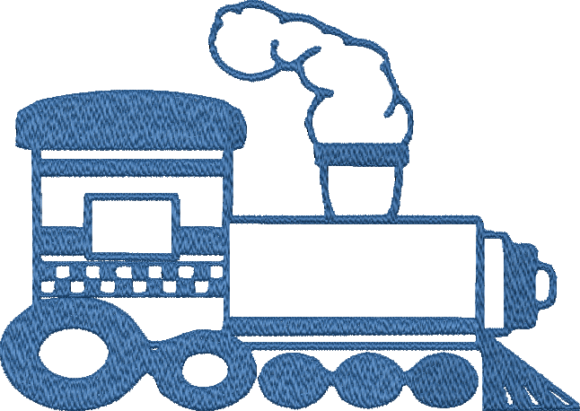
My first impression of this design was its undeniable charm. It captures a whimsical mood that feels instantly nostalgic, tapping into those childhood memories of toy trains and imaginary journeys. The layout is balanced, avoiding the common pitfall of being too top-heavy or asymmetrical in a way that causes hooping issues. For anyone in the Travel niche or those creating nursery decor, the theme is spot-on. However, a pretty picture on a website doesn't guarantee a successful finished product. I needed to know how this digital embroidery file translates to actual fabric.
Putting the Design to the Test: Real-World Scenarios
To truly evaluate the Train Machine Embroidery, I simulated a real-life order. Imagine a customer requesting a custom tote bag for a toddler's birthday party. They want something durable, washable, and visually striking. This is where the design's versatility shines. The shapes are distinct enough to read well from a distance, which is crucial for items like tote bag designs or sweatshirt embroidery where the viewer might be standing a few feet away.
I also considered its application on baby embroidery projects. Softness is key here. If the design relies too heavily on dense fill stitch areas, it can feel stiff and scratchy against a baby's skin. Upon reviewing the stitch structure, the design appears to use a thoughtful combination of satin and fill stitches. The stitch density seems moderate, which suggests it will remain flexible on stretchy fabrics like jersey knits used for onesies or t-shirts. This balance is vital for maintaining the comfort of the handmade product while ensuring the train motif remains vibrant.
For Etsy sellers and craft business owners, the potential applications extend beyond apparel. Think about embroidered patches. The clean outlines of the train make it an excellent candidate for a cut-and-sew patch, provided the edges are finished with a tight satin border. It would also work beautifully on home goods like pillow covers or kitchen towels, adding a touch of personality to a personalized gift. The customizable feature mentioned in the description is a significant selling point, allowing you to infuse a precious name or date, turning a standard design into a unique keepsake.
Technical Considerations and Fabric Compatibility
While the aesthetic appeal is high, practical execution requires attention to detail. Not every fabric plays nice with every design. When working with the Train Machine Embroidery, you must be mindful of your material choice. On textured fabrics like waffle weave or heavy canvas, fine details might get lost. Conversely, on very thin or slippery fabrics, the weight of the stitching could cause distortion.
One area requiring caution is the use of dark fabrics. If the design includes small, intricate details or light-colored thread sections, they may not pop sufficiently against a black or navy background without proper underlaying. Always test your thread colors against the fabric swatch first. Additionally, if you are planning to use this on curved surfaces like caps, ensure the hoop size accommodates the design without forcing the fabric to stretch unnaturally, which leads to registration errors.
Stabilizer selection is non-negotiable. For a project like this, especially if it involves multiple color changes or dense areas, a cut-away stabilizer is often safer than tear-away for garments that will see frequent washing. This ensures the commercial embroidery quality remains intact over time, preserving the integrity of the train's wheels and smokestack details.
Maximizing Visual Appeal and Brand Value
The ultimate goal of using a design like Train Machine Embroidery is to enhance the perceived value of your product. A crisp, well-executed embroidery job builds customer trust. It signals professionalism and attention to detail. When a buyer sees clean satin stitch edges and no visible backing peeking through, they are more likely to return for future purchases or recommend your small shop product to friends.
This design also offers great potential for branding. If you run a boutique specializing in children's travel gear or adventure-themed apparel, incorporating this train motif into your design assets can create a cohesive brand identity. It works well in printable mockups for online listings, helping customers visualize the final item before they buy. The whimsical nature of the train evokes emotion, which is a powerful driver for engagement in the handmade marketplace.
Practical Notes for the Professional Maker
Before you start stitching on your final inventory, here are a few essential steps to take:
- Test on Scrap Fabric: Always run a sample on the exact same type of fabric you intend to use for the final product. This reveals any tension issues or density problems.
- Check Thread Contrast: Ensure your thread palette provides enough contrast between the different elements of the train so the details don't blend together.
- Review Stitch Density: Look closely at the smallest parts of the design. If they seem too crowded, consider simplifying the thread count or adjusting the pull compensation in your software if you have editing capabilities.
- Confirm Hoop Size: Verify that the design fits comfortably within your available hoop, leaving room for proper clamping without hitting the frame.
- Inspect Small Details: Pay attention to tiny corners or narrow lines. These are prone to breaking or bunching if the digitizing isn't precise.
- Test Black and White Mockups: Visualize how the design looks without color reliance. This helps ensure the shape itself is strong enough to stand alone.
- Verify Licensing: Since this is intended for potential commercial use, double-check the license terms regarding selling finished items versus digital files.
In conclusion, the Train Machine Embroidery design is a solid contender for a variety of projects, from holiday embroidery gifts to everyday custom apparel. Its strength lies in its adaptable theme and generally user-friendly structure. However, like any tool in a designer's kit, its success depends on the skill of the operator and the suitability of the materials. By approaching it with a critical eye and following best practices for stabilization and testing, you can create stunning pieces that resonate with customers and stand the test of time. Whether you are decorating a nursery or launching a new line of travel-themed goods, this design offers a reliable foundation for creative expression.