Tulip Quilting Block Machine Embroidery Review
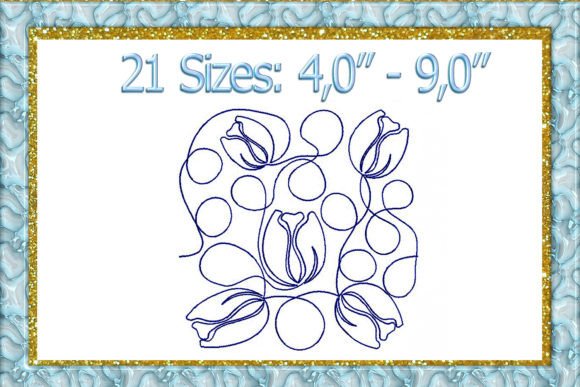
As an embroidery designer who has spent years digitizing and reviewing files for small business merchandise, I approach every new machine embroidery design with a critical eye. It is not just about whether a flower looks pretty; it is about whether that design will hold up on a staff uniform, sell well as an embroidered patch, or elevate a brand's identity. Today, I am taking a close look at the Tulip Quilting Block Machine Embroidery. Based on its description as a flower quilting block and edge-to-edge design, this file offers a unique blend of rustic charm and structured geometry that could be a game-changer for specific niche markets.
First Impressions: A Blend of Handmade and Professional
The moment you view the preview of the Tulip Quilting Block Machine Embroidery, the aesthetic reads as distinctly "handmade premium." Unlike generic floral logos that often feel too soft or unstructured, this design leverages the concept of a quilting block. This implies clean lines, defined edges, and a sense of order that translates exceptionally well to brand identity. For a florist, a boutique bakery, or a creative studio, this design strikes the perfect balance between friendly and professional. It suggests craftsmanship without looking amateurish. The "edge to edge" nature mentioned in the product details suggests versatility, meaning it can be tiled for larger backdrops or isolated as a singular motif for custom apparel.
Real-World Business Applications
When evaluating a digital embroidery file for commercial use, I always ask: "Where does this actually live on a product?" Here is how I see the Tulip Quilting Block Machine Embroidery performing in real business scenarios:
- Branded Patches: This is arguably the strongest use case. The block style creates a natural border, making it ideal for iron-on or sew-on patches. A local coffee shop could use these on tote bags sold at the counter, creating instant small business merch that customers want to wear.
- Staff Uniforms and Aprons: For a florist or a potter, apron embroidery needs to be durable and visible. The tulip motif adds a touch of elegance to a canvas apron, signaling to customers that the staff takes pride in their craft.
- Cap Embroidery: Placed on the side panel or even the front of a unstructured cap, this design works well. However, the curvature of a cap requires careful attention to push factors, which I will address later.
- Tote Bag Design: As a central graphic on a heavy cotton tote, this design shines. It serves as a walking advertisement for handmade brands and Etsy sellers who need their packaging to be as memorable as their products.
- Product Packaging Accents: Beyond clothing, this design can be stitched onto fabric tags attached to product packaging, adding a tactile element that increases perceived value.
Technical Considerations for Production
While the aesthetic is promising, a professional review must address the technical realities of commercial embroidery. The description notes this is a "quilting block," which often implies specific stitch patterns intended to mimic hand-quilting. Here are the critical areas where you need to exercise caution:
Stitch Density and Fabric Texture
Quilting-style designs can sometimes have high stitch density to create texture. If you are stitching this onto a lightweight polo shirt or a delicate silk scarf, the fabric may pucker. It is essential to test this design on the actual fabric texture you intend to use. For heavier materials like denim, canvas, or twill (common in work shirts and totes), the density should provide a beautiful, raised effect. For lighter fabrics, you may need to adjust the underlay or reduce density if your digitizer allows edits.
Size Limitations and Detail
One common pitfall with block designs is shrinking them too small. If a client wants a tiny chest logo, the intricate details of the tulip petals or the quilting lines might merge together, turning into a solid blob of thread. I strongly advise testing the design at the minimum size required for your project. If the thread colors are too similar or the lines are too close, legibility will suffer on small embroidered patch applications.
Curved Surfaces and Hoop Size
Using this on caps requires a specific mindset. The flat geometry of a quilting block can distort when applied to the curved front of a baseball cap. You must ensure the hoop size matches your machine's capabilities for cap framing. Additionally, verify that the design fits within the standard cap area without hitting the brim or the seams.
Impact on Brand Identity and Customer Trust
In the world of small business, visual consistency is currency. Using a cohesive design like the Tulip Quilting Block Machine Embroidery across various touchpoints—from employee uniforms to customer gifts—builds recognition. When a customer sees the same high-quality tulip block on your website, your shopping bag, and your barista's apron, it reinforces professionalism. It tells the buyer that you care about the details. This level of presentation directly influences buyer engagement and can justify a higher price point for your handmade product lines. It transforms a simple transaction into a branded experience.
Practical Designer Notes for Success
Before you commit to a large production run using this embroidery file, follow this checklist to ensure quality control:
- Test in Black and White: Stitch a sample using a single color thread first. This reveals the true structure of the design and highlights any spacing issues that color might hide.
- Verify Commercial Licensing: The product description mentions "9 formats are included," but always confirm the license terms explicitly allow for commercial use on items for resale before selling finished product.
- Check Stabilizer Requirements: Given the potential for dense quilting stitches, use a cut-away stabilizer for stretchy fabrics to prevent distortion over time, especially for items that will be washed frequently.
- Create a Printable Mockup: Before stitching, place the design on a printable mockup of your intended garment. This helps clients visualize the scale and placement, ensuring approval before you waste thread and time.
- Compare Design Assets: View this tulip block beside your existing logo or other design assets. Ensure the line weights and styles complement each other rather than clashing.
- Inspect Thread Contrast: Choose thread colors that offer sufficient contrast against your base fabric. A dark green tulip on a navy blue uniform might look muddy; opt for lighter or contrasting shades to make the "block" pop.
Final Verdict
The Tulip Quilting Block Machine Embroidery is a versatile asset for businesses looking to project a warm, artisanal, yet organized image. While it falls under the Backgrounds category in some libraries due to its edge-to-edge potential, its strength lies in its adaptability as a focal point for branding. Whether you are outfitting a team, creating limited-edition merchandise, or adding a signature touch to a tote bag design, this file holds significant potential. Just remember to respect the technical limits of your machinery and fabric choices. With proper testing and thoughtful application, this design can become a cornerstone of your visual identity, proving that great Embroidery is not just decoration—it is a powerful business tool.