Vintage Embroidery Flowers Digital Paper Review
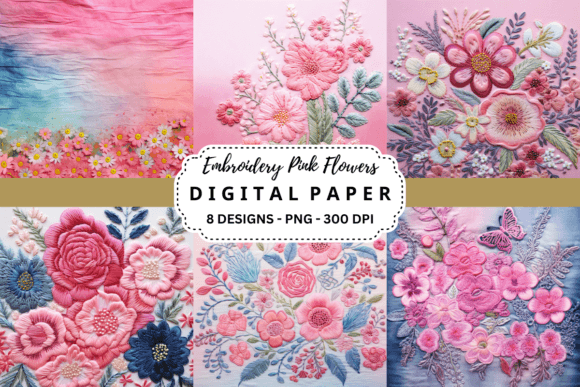
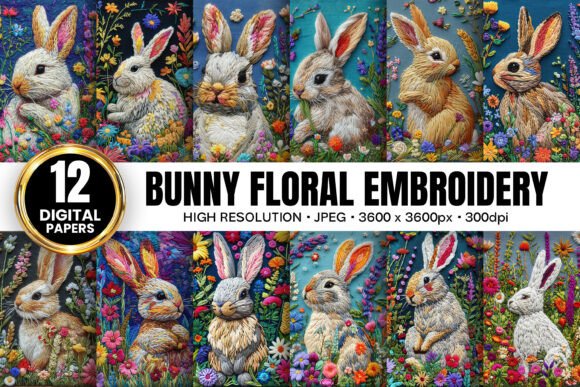
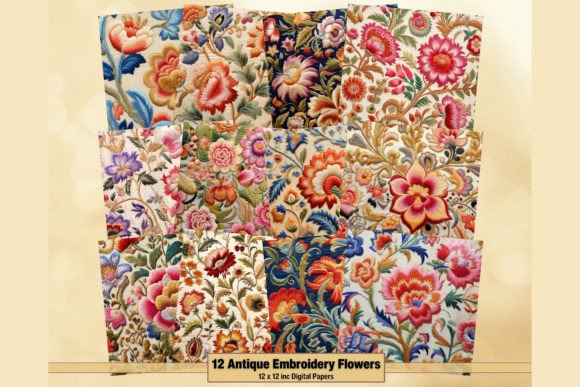
As an embroidery designer who has spent countless weekends setting up booths at local craft fairs and handmade markets, I know that the difference between a browsing customer and a buying customer often comes down to visual impact. When I recently acquired the Vintage Embroidery Flowers Digital Paper, my immediate instinct was not just to admire it as a digital asset, but to evaluate its potential as a physical craft fair product. This collection, described as printable embroidery flowers on antique pages, offers a unique bridge between digital Graphics and tangible Backgrounds that can elevate a wide range of handmade goods.
First Impressions: A Rustic and Elegant Aesthetic
Upon opening the files, the first impression of the Vintage Embroidery Flowers Digital Paper is undeniably rustic yet elegant. The combination of floral motifs with an antique page texture creates a "farmhouse chic" vibe that is currently dominating the handmade market. It feels soft, decorative, and premium without being overly ornate. For sellers targeting customers who love junk journals, scrapbooking, or vintage-inspired home decor, this aesthetic hits the sweet spot. The designs do not scream for attention with neon brightness; instead, they invite the viewer in with a sense of nostalgia and warmth. This subtlety is crucial for booth displays where too much visual noise can overwhelm potential buyers.
Transforming Digital Assets into Best-Selling Products
The true test of any design assets package is how well it translates into physical products. I evaluated how these papers could serve as more than just background images. For an Etsy seller or boutique maker, these files are versatile. They work exceptionally well as printable mockup backgrounds for listing photos, giving digital listings a cohesive, branded look. However, their potential extends far beyond the screen.
Imagine using these floral patterns as transfer prints for a tote bag design. The vintage flower elements would stand out beautifully against canvas or linen, creating a small shop product that feels curated rather than mass-produced. For apron embroidery projects, one could print specific floral clusters from the paper to use as a guide for hand-stitching or as a heat-transfer base before adding machine stitching. Similarly, for tea towel embroidery, the antique page background provides a ready-made border or central motif that saves hours of digitizing time.
I also see strong potential for creating embroidered patches. By printing the floral elements onto stabilizer-backed fabric, cutting them out, and finishing the edges with a satin stitch, you create instant embroidered patch inventory. These can be sold individually or used to embellish caps and pouches. The key here is that the Vintage Embroidery Flowers Digital Paper provides the artistic foundation, allowing the maker to focus on the execution of the finished product.
Practical Selling and Production Considerations
From a production standpoint, the clarity of these designs is a major advantage. At a craft fair, customers make split-second decisions. The floral elements in this collection are bold enough to be understood at a glance, even from a few feet away. This makes them ideal for large focal designs on market bags or pillow covers. However, they are also detailed enough to work as small accents on gift tags or card making projects.
Photography is another critical factor for online sales. These papers photograph exceptionally well because the "antique" texture reduces glare and adds depth to images. When used as a backdrop for product photography, they enhance the perceived value of the item, making a simple handmade product look like a high-end boutique item. For batch production, the repeatability of the pattern allows for consistent branding across a whole line of goods, from packaging to the products themselves.
Careful-Use Notes for Embroidery Designers
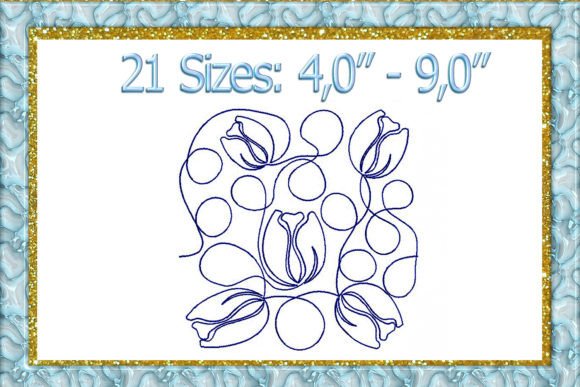
While the potential is high, there are practical limitations to consider when moving from digital paper to physical textile applications. If you plan to use these images as guides for machine embroidery, be mindful of stitch density. Converting a printed image directly into a machine embroidery design can sometimes result in areas that are too dense, leading to puckering, especially on lighter fabrics.
Pay close attention to tiny details within the floral arrangements. Small lettering or fine lines may lose clarity when stitched out on textured towels or thick fabric. If applying these to curved surfaces like caps, ensure the design is simplified to prevent distortion. Furthermore, if you are working with dark fabric, remember that the "antique page" background will not show up unless you use a light underlay or choose a different application method, such as sublimation or heat transfer vinyl, rather than direct stitching.
Enhancing Visual Appeal and Buyer Engagement
Incorporating the Vintage Embroidery Flowers Digital Paper into your product line can significantly boost buyer engagement. The cohesive vintage theme helps build brand consistency, making your booth or online shop instantly recognizable. Customers are drawn to products that tell a story, and the "ephemera" feel of these graphics suggests a narrative of history and craftsmanship. This emotional connection often translates to higher sales and a willingness to pay a premium for what is perceived as a unique, artistic creation rather than a generic commodity.
Essential Designer Checklist Before Production
Before committing to a full production run for your next market, I recommend following these practical steps:
- Test on Scrap Fabric: Always print or stitch a sample on the exact fabric you intend to sell to check for color bleeding or texture issues.
- Check Thread Contrast: Ensure your chosen thread colors pop against the fabric and the printed background elements.
- Review Spacing: Verify that floral elements are spaced appropriately for your intended hoop size to avoid cropping important details.
- Inspect Stitch Density: If digitizing for machine use, manually adjust density to suit the fabric weight.
- Use the Right Stabilizer: Match your stabilizer to the fabric type to prevent shifting or puckering during the process.
- Create a Real Mockup: Produce at least one physical sample to display at your booth; customers need to touch and feel the quality.
- Compare Fabric Colors: Test the design on various fabric shades to see which combination yields the best visual appeal.
- Confirm Licensing: Crucially, review the license terms included with the download. The description mentions "Commercial Embroidery" potential, but you must confirm if the file allows for unlimited finished goods sales or if there are restrictions on the number of items you can produce.
It is important to note that the product description specifies "12 Digital Papers Each paper measures 12," but it does not explicitly state the file format (such as PNG, JPG, or vector), the exact DPI resolution, or specific hoop compatibility for direct embroidery conversion. Therefore, it is highly advisable to check these technical details in the full product listing or contact the creator before beginning large-scale production. Additionally, since this is marketed as "Printable Embroidery Flowers," ensure you have the rights to use the printed output for commercial commercial embroidery projects if that is your business model.
In conclusion, the Vintage Embroidery Flowers Digital Paper is a powerful tool for the modern creative entrepreneur. Whether used as a literal background for junk journals or as the inspirational blueprint for a line of embroidered home goods, it offers the versatility and aesthetic appeal needed to succeed in today's competitive handmade market. With careful planning and attention to production details, these graphics can become the cornerstone of a profitable and visually stunning product collection.